
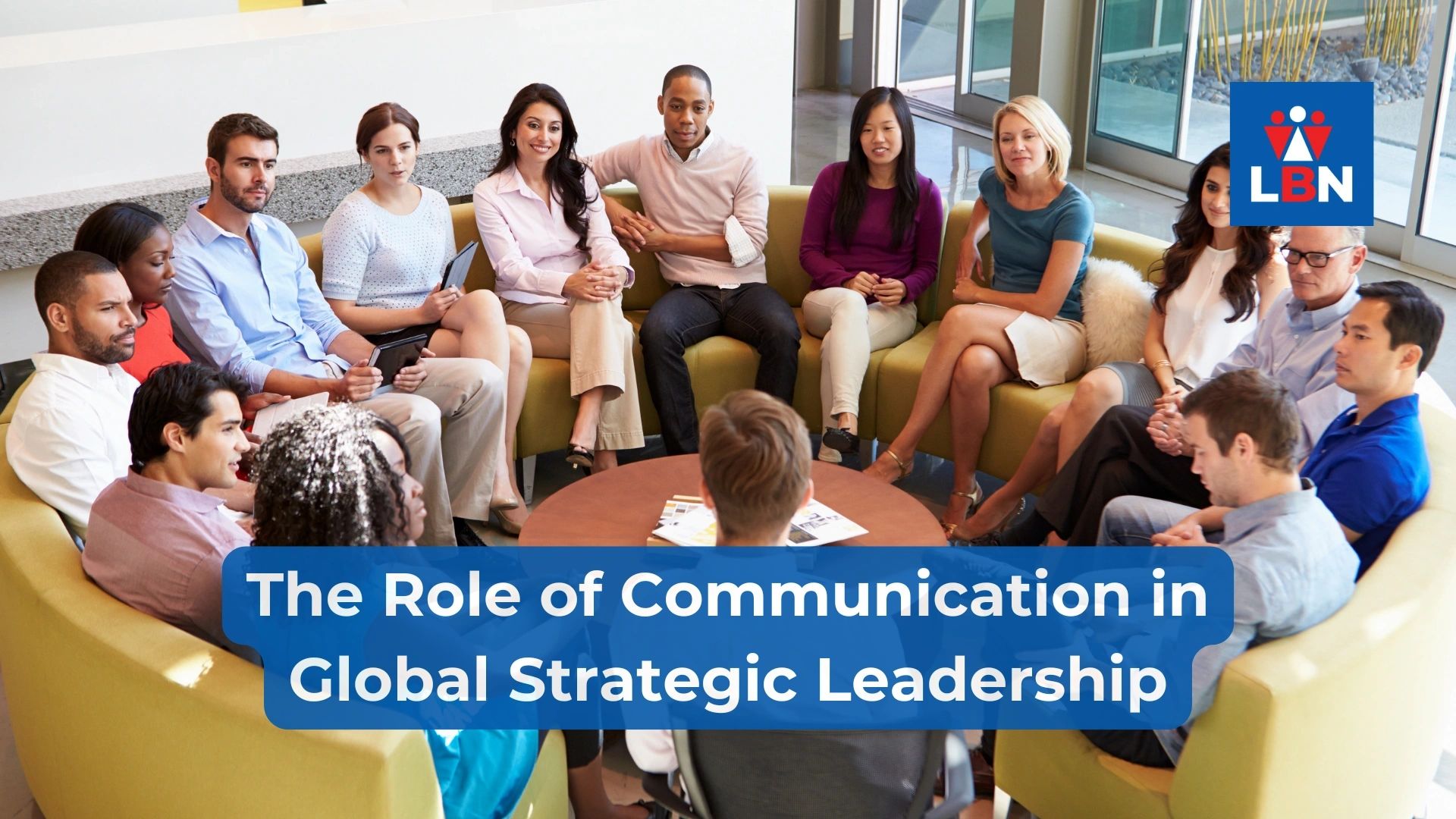
The Role of Communication in Global Strategic Leadership
Global leadership in our interconnected world demands a profound understanding of communication across sectors, cultures, and borders. Furthermore, being a global leader in cities like London, where the world resides, requires shared values to build prosperous communities.
Whilst translators and interpreters have long been relied upon in international relations, their use falls short when cultural nuances are overlooked. Businesses, governments, militaries, and NGOs often fail to assess 'culture' when doing risk assessments, leading to missteps that undermine efforts to build sustainable partnerships.
Effective global leadership begins with recognising that cross-sector, cross-cultural, and cross-border communication requires more than surface-level understanding. For example, leaders navigating international collaborations and mergers and acquisitions must identify areas of shared interest and commonality whilst addressing differences with sensitivity and respect. This is no easy task, as seemingly similar cultures can exhibit significant communication differences.
A Scandinavian professional fluent in English may assume alignment with British counterparts, only to encounter unexpected challenges in communication styles. Global leaders must therefore focus on maximising shared values and fostering mutual respect. The ability to adapt communication strategies and bridge cultural divides is key to achieving success in international business.
The Iceberg Effect: Surface-Level vs Deep Cultural Understanding
The iceberg effect in cross-cultural communication often lulls leaders into a false sense of security. Surface-level commonalities such as shared languages, dress codes, manners, and traditions are readily observable but can be deceptive.
Genuine cultural understanding for global strategic leaders includes understanding there are: differences in worldviews, ethics, values, faith, morality, gender roles, and attitudes toward power and authority. These deeper psychographic factors form the foundation of how individuals and societies interact and make decisions.
Global leaders must navigate these unseen cultural dynamics to foster trust and collaboration. For example, conflict resolution varies widely across cultures. Some societies emphasise dialogue and negotiation, whilst others may prioritise confrontation or retribution as a means of achieving peace. Failing to account for these differences can lead to misunderstandings, strained relationships, and conflict.

Cross-Sector Collaboration In Public-Private Partnerships
Global leadership across sectors adds another layer of complexity to communication. In cross-sector environments, such as public-private partnerships or collaborations between NGOs and governments, differing organisational cultures and priorities can create barriers to effective communication. Leaders must balance these differences by fostering open dialogue, aligning goals, and building shared frameworks for decision-making. This requires a nuanced understanding of both cultural and sector-specific contexts.
Communication as a Strategic Priority
Global leaders must move beyond language barriers to embrace a deeper understanding of cultural nuances to achieve their strategic organisational goals. By prioritising cultural intelligence and fostering meaningful connections, leaders can build trust, drive collaboration, and ensure long-term success in an increasingly intricate and interconnected world. Ultimately, effective communication is not just a skill but a cornerstone of responsible global strategic leadership. Leaders must invest in developing cultural intelligence and fostering environments where diverse perspectives are valued. This includes:
- Training: Providing cultural intelligence training for teams to improve understanding and collaboration.
- Engagement: Encouraging inclusive dialogue that respects diverse viewpoints and experiences.
- Adaptation: Tailoring communication styles to suit different cultural and sectoral contexts.

About the Author
Wilford Augustus
Founder, London Business Network
Wilford Augustus is a Global Growth Strategist and trusted adviser helping businesses scale and governments attract investment in the UK and global markets. A principled Founder, Civic Leader, and Former Mayor in England, he brings a rare blend of public-sector insight and private-sector execution. Over a decades-long career spanning the UK, the Nordics, Latin America, and the Caribbean, Wilford has supported SMEs, high-growth ventures, and multinationals — including EY, Kimberly-Clark, and the United Nations — alongside local authorities, government bodies, and FDI agencies.
Book a Free Consultation | Connect on LinkedIn